Eco-Friendly Approaches: How E-Waste Recycling Services Are Preserving Our Planet
E-waste poses significant threats to the environment, as discarded electronics often contain toxic materials. Such dangerous compounds can pollute soil and water supplies, resulting in widespread environmental harm. Electronic waste recycling programs offer an effective remedy. They not only recover valuable resources but also mitigate pollution. Understanding how these services operate and their impact on communities is essential. Pursuing efficient e-waste management brings forth pressing questions regarding individual duties and shared responsibility. What steps can be taken next?
Why E-Waste Poses a Threat to the Planet
Even though technological advancements improve contemporary living, e-waste creates serious threats to the environment. Discarded electronic devices, frequently composed of dangerous compounds like lead, mercury, and cadmium, are capable of seeping pollutants into groundwater and soil, presenting dangers to both wildlife and human well-being. The swift progression of technology results in increased consumer turnover of electronics, worsening the buildup of electronic waste.
Landfills, already strained by waste, are unable to keep up with the rising quantities of abandoned electronics. Burning, an alternative disposal approach, discharges toxic contaminants into the air, worsening overall air quality. Moreover, poor recycling procedures can cause e-waste to be sent to developing regions, where employees may disassemble electronics without sufficient safety precautions, leaving them vulnerable to harmful substances. This pattern of negligence and mismanagement highlights the critical demand for eco-friendly recycling alternatives that can reduce the damaging impact of electronic waste on the environment.
What Is E-Waste and Its Importance?
Electronic waste, commonly known as e-waste, encompasses unwanted electronic equipment like televisions, computers, and smartphones that are no longer functional or needed. This rapidly expanding waste category is noteworthy owing to its accelerating volume, driven by technological advancements and consumer trends. As growing numbers of electronics become outdated, the environmental impact intensifies, with toxic materials such as lead, mercury, and cadmium posing risks to ecosystems and human health.
The importance of addressing e-waste lies not only in mitigating these hazards but also in recognizing the valuable materials it contains. Valuable metals and rare earth materials can be extracted and repurposed, lessening the demand for mining and preserving natural resources. With a thorough understanding of e-waste and its impact, people and organizations alike can make educated decisions about disposal and recycling, helping to build a more sustainable world. Responsible management of e-waste plays a key role in supporting a circular economy and championing environmental stewardship.
How E-Waste Recycling Works
The recycling of e-waste encompasses an organized procedure intended to extract beneficial components while limiting ecological damage. At the outset, discarded electronics are retrieved and sent to dedicated processing centers. After reaching the facility, the electronics are carefully categorized to separate hazardous components from recyclable materials.
Next, technicians take apart the devices, separating glass, metals, and plastics. This step is critical, as it facilitates the extraction of valuable metals like silver, gold, and copper, which are repurposed in new electronic products.
Following this, the sorted materials are handled via advanced techniques, such as shredding and chemical treatments, to refine them for recycling.
Finally, the leftover hazardous waste is handled with responsibility, adhering to eco-friendly standards. This systematic method not only preserves valuable resources but also mitigates the risks connected to unsafe e-waste handling, ensuring a more sustainable future for the consumption of electronics.
The Benefits of E-Waste Recycling for You and Your Community
Though many people are unaware, the benefits of e-waste recycling extend beyond personal convenience to positively impact entire communities. By carefully processing electronic waste, individuals contribute to a safer environment, decreasing hazardous materials that can contaminate soil and water. This responsible method works to protect local ecosystems and supports public health.
Moreover, electronic waste recycling supports job creation within communities. Regional recycling centers frequently need staff for various operations, including collection and processing, thus generating valuable job opportunities within the community. This not only stimulates the local economy but also fosters community involvement in eco-friendly practices.
Moreover, knowledge about e-waste recycling can lead to learning opportunities, equipping residents to adopt eco-friendly choices. By engaging with e-waste recycling programs, individuals promote a culture of sustainability, motivating others to join the movement. In summary, the combined impact of these actions can contribute to a more robust and eco-friendly community.
A Guide to Selecting an E-Waste Recycling Service
Picking the most suitable e-waste disposal service is crucial for making sure that electronic refuse is handled with responsibility and sustainability. First, consumers should confirm the provider's accreditations, such as R2 and e-Stewards certifications, which indicate compliance with industry standards for secure waste disposal procedures. Additionally, it is advisable to assess the company's standing by reading customer reviews and seeking recommendations from trusted sources.
Next, openness in the recycling process is Get started crucial. A trustworthy provider should provide clear information about how e-waste is processed and how the materials are utilized. Moreover, evaluating the range of services offered can be beneficial; certain providers may offer collection services or present rewards for recycling.
Finally, familiarizing yourself with local regulations regarding e-waste disposal can further guide the evaluation process. By prioritizing these factors, people are able to support responsible e-waste disposal as well as promoting sustainable environmental efforts.
Ways You Can Participate in E-Waste Recycling?
Participating in e-waste recycling may begin at the local level, where local recycling facilities regularly supply essential services for proper disposal. Additionally, participating in community awareness campaigns can amplify efforts to inform others regarding the importance of proper e-waste handling. These actions not only advance environmental sustainability but also foster a collective sense of stewardship of the environment.
Regional Recycling Centers
Numerous community recycling facilities perform an important function in recycling electronic waste, supplying communities with reliable ways to manage electronic waste appropriately. These facilities handle a selection of electronic equipment, including outdated computers, mobile phones, and TVs, guaranteeing that dangerous substances are processed safely. The majority of facilities employ knowledgeable personnel who are able to assist individuals with correct disposal techniques, stressing the significance of recycling instead of landfilling. Furthermore, numerous facilities provide organized drop-off opportunities or appointed collection periods, making it easy for residents to participate. By utilizing these local services, residents support a circular economy, minimizing ecological impact and fostering sustainable behaviors. Connecting with these stations allows communities to address e-waste pollution proactively.
Public Awareness Initiatives
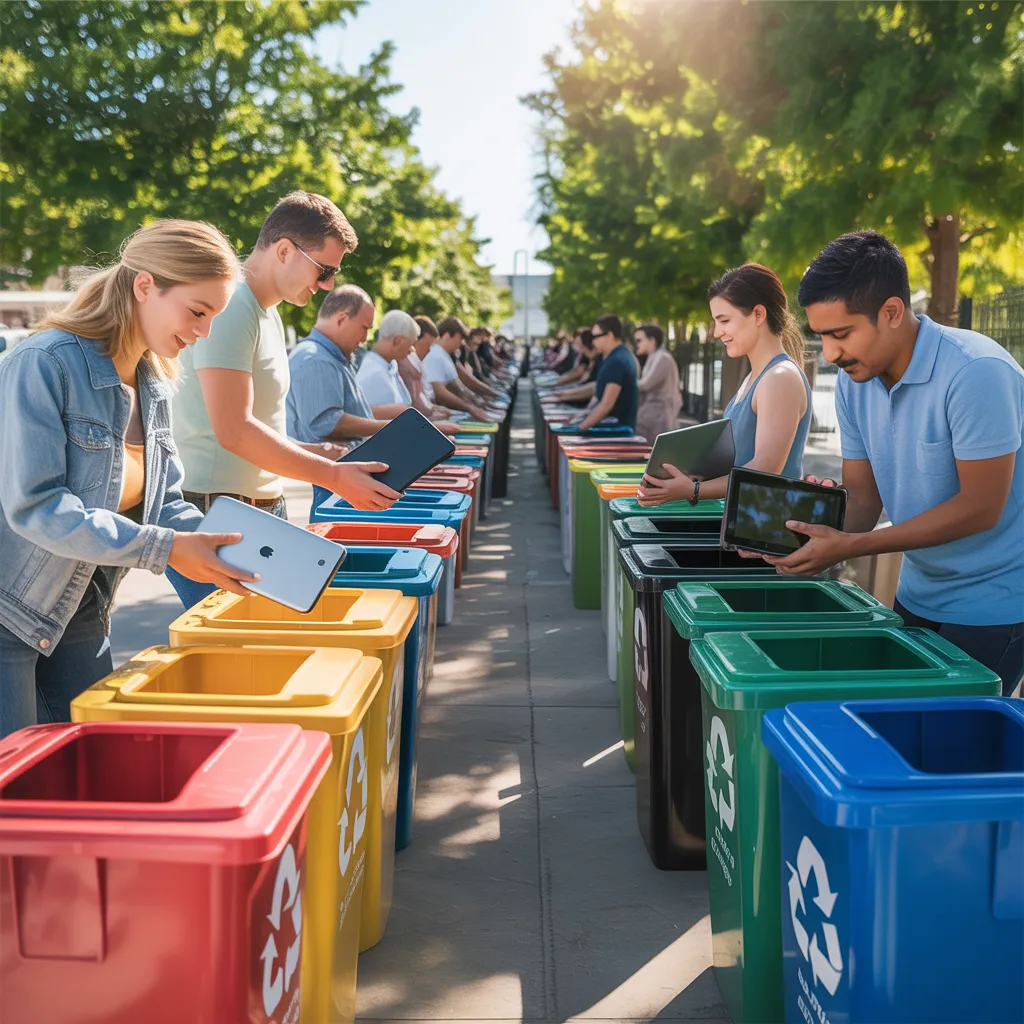
Local organizations, schools, and businesses can collaborate to host events that promote e-waste collection drives. Community members can serve a critical function in promoting knowledge, handing out educational content, and interacting with the surrounding community. By means of these joint initiatives, residents become more informed and motivated to recycle their electronic waste, thereby helping to build a greener and more sustainable tomorrow.
Frequently Asked Questions
Which Types of Electronics Are Recyclable?
Various electronics may be recycled, including computers, smartphones, televisions, laptops, gaming consoles, and printers. In addition, ancillary devices such as mice, keyboards, and batteries are well-suited for recycling, aiding in eco-friendly conservation initiatives.
Are There Any Costs Associated With E-Waste Recycling?
Indeed, e-waste disposal can include charges, depending on the provider. Certain providers apply costs for gathering or treatment, while other facilities make services available at no charge, typically funded by the sale of reclaimed components.
How Do Businesses Gain From E-Waste Recycling?
Organizations can gain from e-waste recycling by minimizing disposal costs, strengthening their ecological standing, complying with regulations, reclaiming useful materials, and possibly earning income through resale, thus supporting a greener and more sustainable operational framework.
What Becomes of Data on Recycled Devices?
Information on recycled equipment is often completely removed or obliterated during processing. This guarantees sensitive information remains secure, preventing unauthorized access while permitting components to be reused carefully and ethically across new manufacturing processes.
Is It Possible to Recycle Damaged Electronics?
Indeed, defective electronics may be recycled. Many centers accept defective devices, guaranteeing responsible disposal and retrieval of valuable materials. It helps lower environmental impact while promoting responsible recycling practices to control electronic waste responsibly.